Tesla's record-setting result revealed
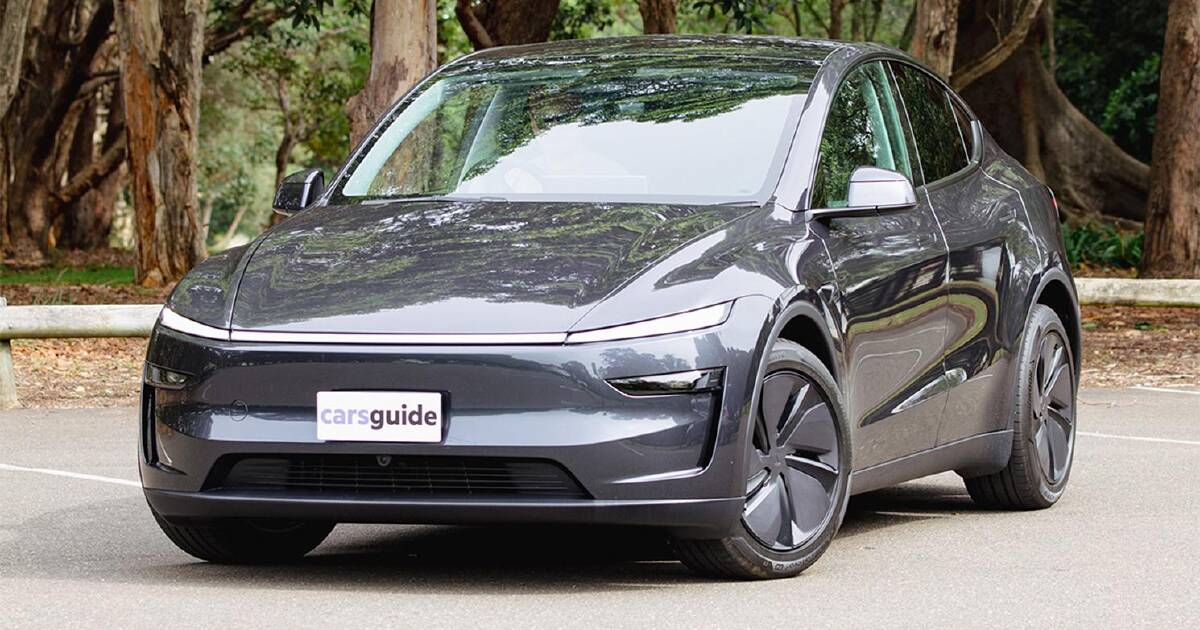
Tesla's record-setting result revealed Tesla has reasserted itself as the electric car king of Australia. The American EV maker sold 8670 vehicles in June, its biggest month ever, according to data released by the Electric Vehicle Council. It was so big that it beat the previous best month, which was May, by 26 per cent. It will be in the running to beat all other carmakers in June except for Toyota. Leading the charge was the Model Y SUV, which recorded 8072 of those sales. This will likely make it the best-selling vehicle in the nation when the full sales data gets released tomorrow, as no vehicle in recent memory has hit that figure. The Model 3 sedan chipped in with roughly 600 sales in June. Tesla has asserted its dominance as the premier electric vehicle brand in the country, with a total of 23,588 sales through the first six months. This is equal to a 66 per cent increase through June. Electric vehicle sales have experienced strong growth this year, especially since the Iran war and the resulting high fuel prices. What makes Tesla's June result even more impressive is that fuel prices across the country had moderated and were effectively back to normal by the end of the month. Tesla has a healthy supply pipeline, with the brand's local website quoting delivery times for the standard Model Y in July to August. The three-row Model Y L appears to be more in demand with expected delivery times between August and September. The more niche five-seat Model Y Performance won't land in your driveway until September or October if ordered today. Tesla would be one of the main beneficiaries of the federal government's Fringe Benefits Tax (FBT) exemption for electric vehicles. This FBT exemption allows buyers to pay for the vehicle pre-tax and to side-step the 47 per cent FBT rate. The tax break has been a huge hit, with the scheme costing more than 10 times what the government had forecasted. There were calls for the scheme to be axed to help alleviate the predicted budget deficit, and it is perceived to help a greater proportion of well-off Australians. The federal government announced earlier this year it would be walking back the plan, with it to end by March, 2029.